

When shipping your vehicle, understanding the insurance coverage provided by the carrier is crucial. Auto transport companies are required by law to carry insurance, but the level of coverage and the risks covered can vary significantly depending on the type of transport (open or enclosed) and the carrier’s policy. Here's a breakdown of what you need to know to ensure your vehicle is protected during its journey.
The Department of Transportation (DOT) mandates that all auto transport carriers carry liability insurance to cover damages caused by the carrier during transit.
The minimum insurance requirements include:
In liability coverage for bodily injury and property damage
Coverage can exceed $1,000,000, depending on the cargo and the carrier’s operations.
This insurance protects your vehicle against damages caused by the carrier but does not extend to personal items left inside the vehicle.
Carrier insurance usually includes:

Coverage for scratches, dents, or damage caused by the transport carrier during transit.
Coverage for vehicle damage resulting from an accident during transport.
Most policies cover theft that happened during transit.

Items inside the vehicle are generally not covered.
Any existing damages, scratches or dents documented before transit are excluded.
Damages caused by weather or debris during transit are typically not covered by the carrier’s insurance, as these are considered inherent risks of open transport.
The type of transport you choose can affect the level of insurance coverage provided:

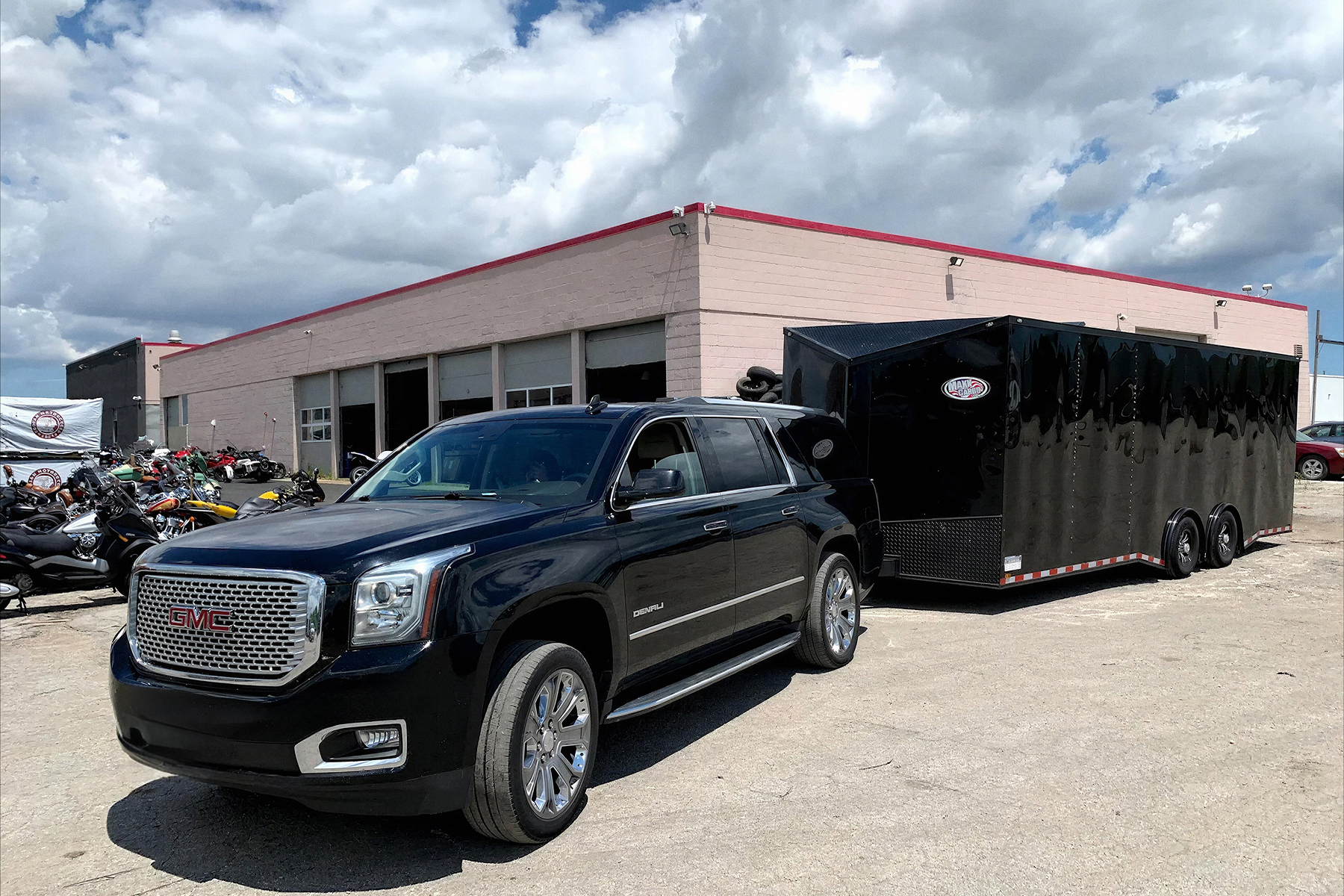
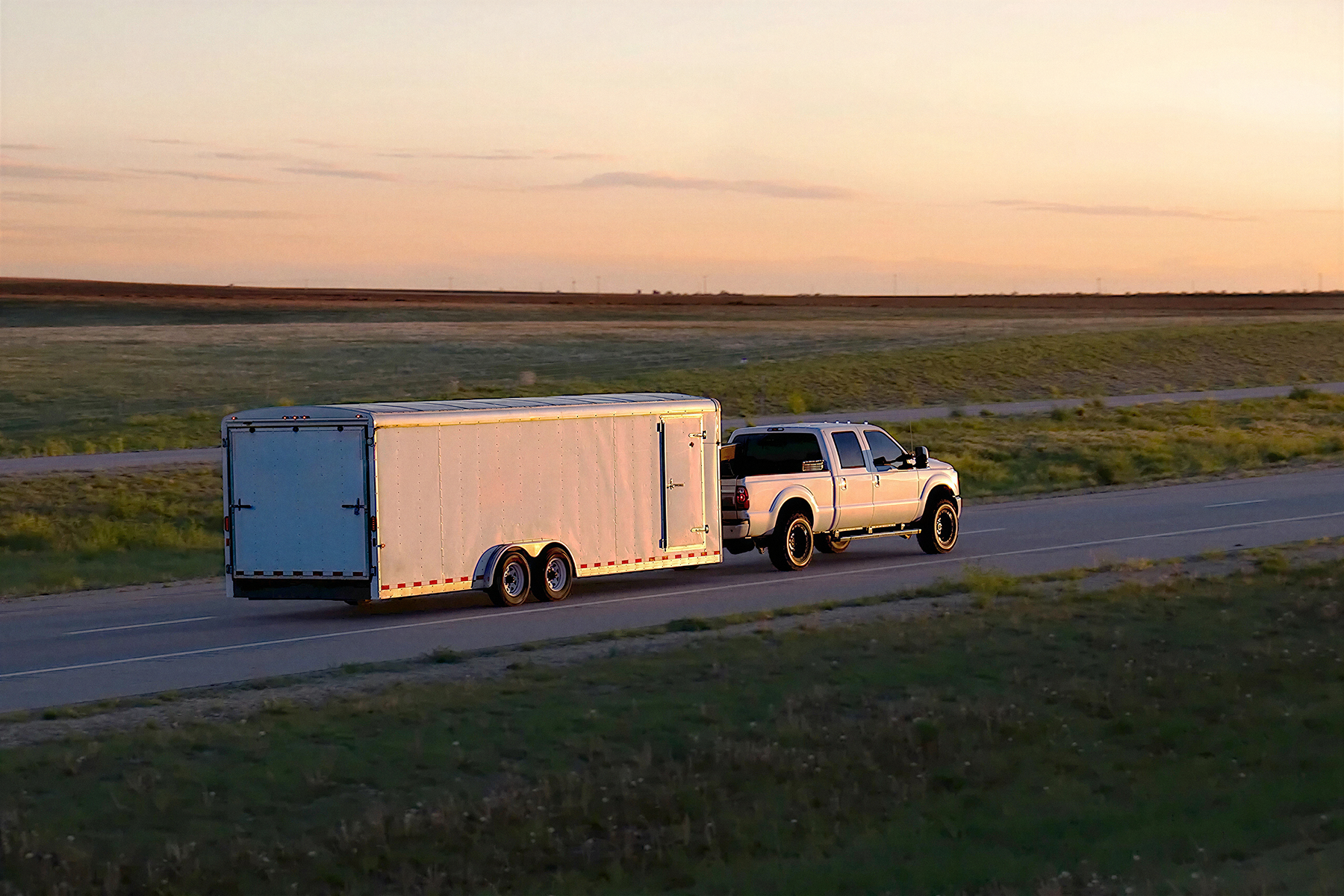
Open trailers are the most commonly used and are generally less expensive.
Damages caused by weather or debris during transit are typically not covered by the carrier’s insurance, as these are considered inherent risks of open transport.
Insurance coverage typically meets the DOT minimums but may be limited in scope.
Example:
Coverage may not fully compensate for damages to high-value or specialty vehicles.
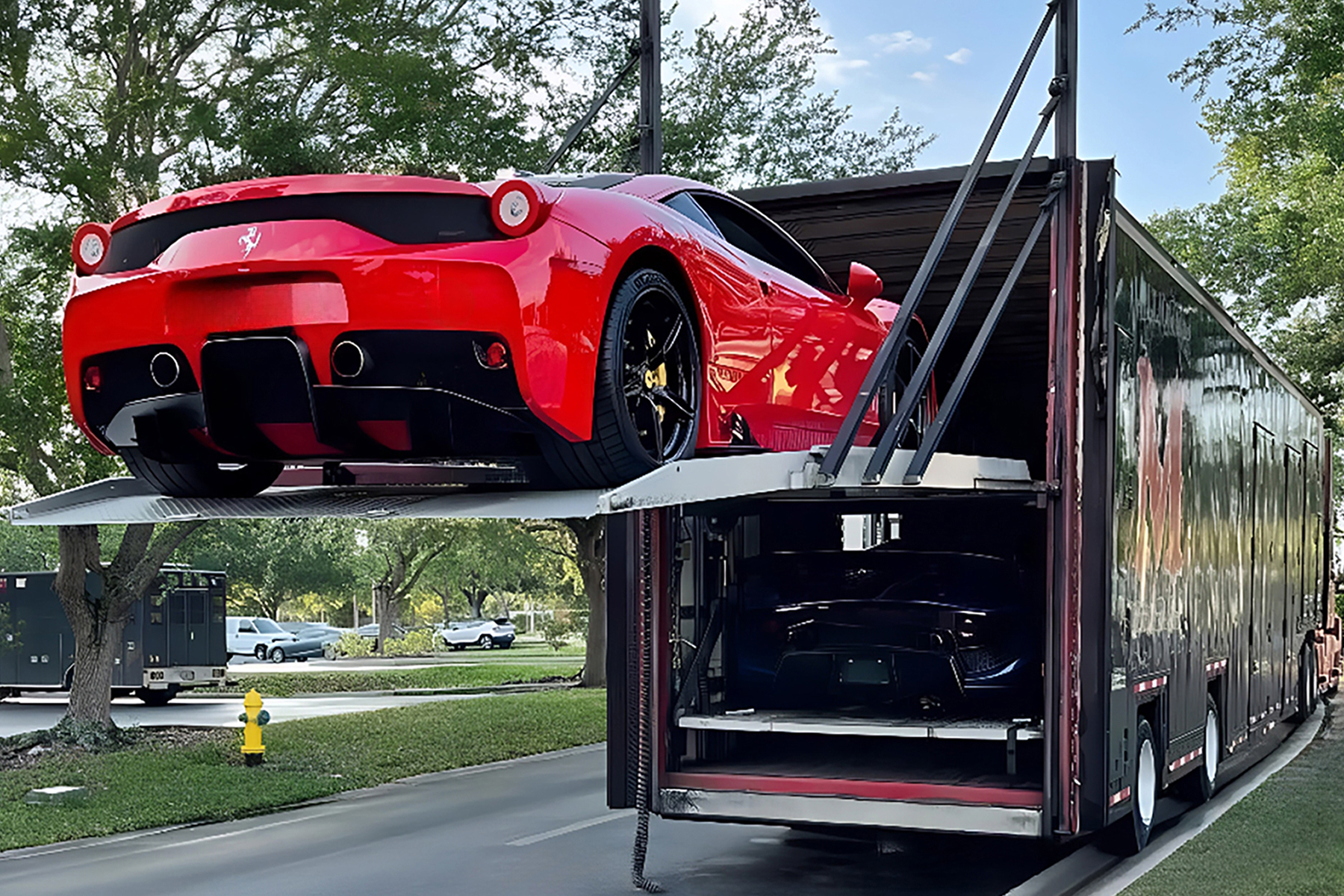
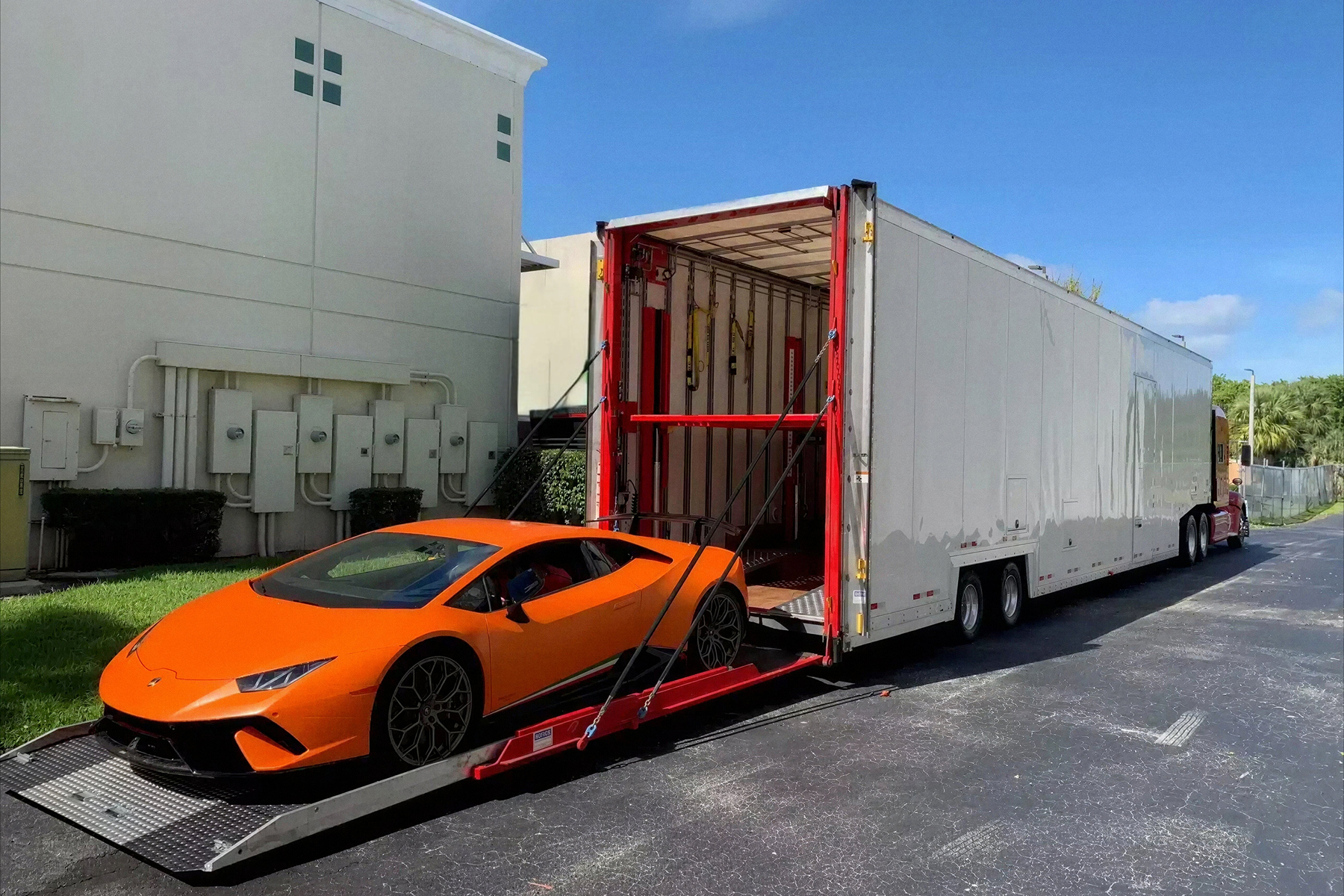
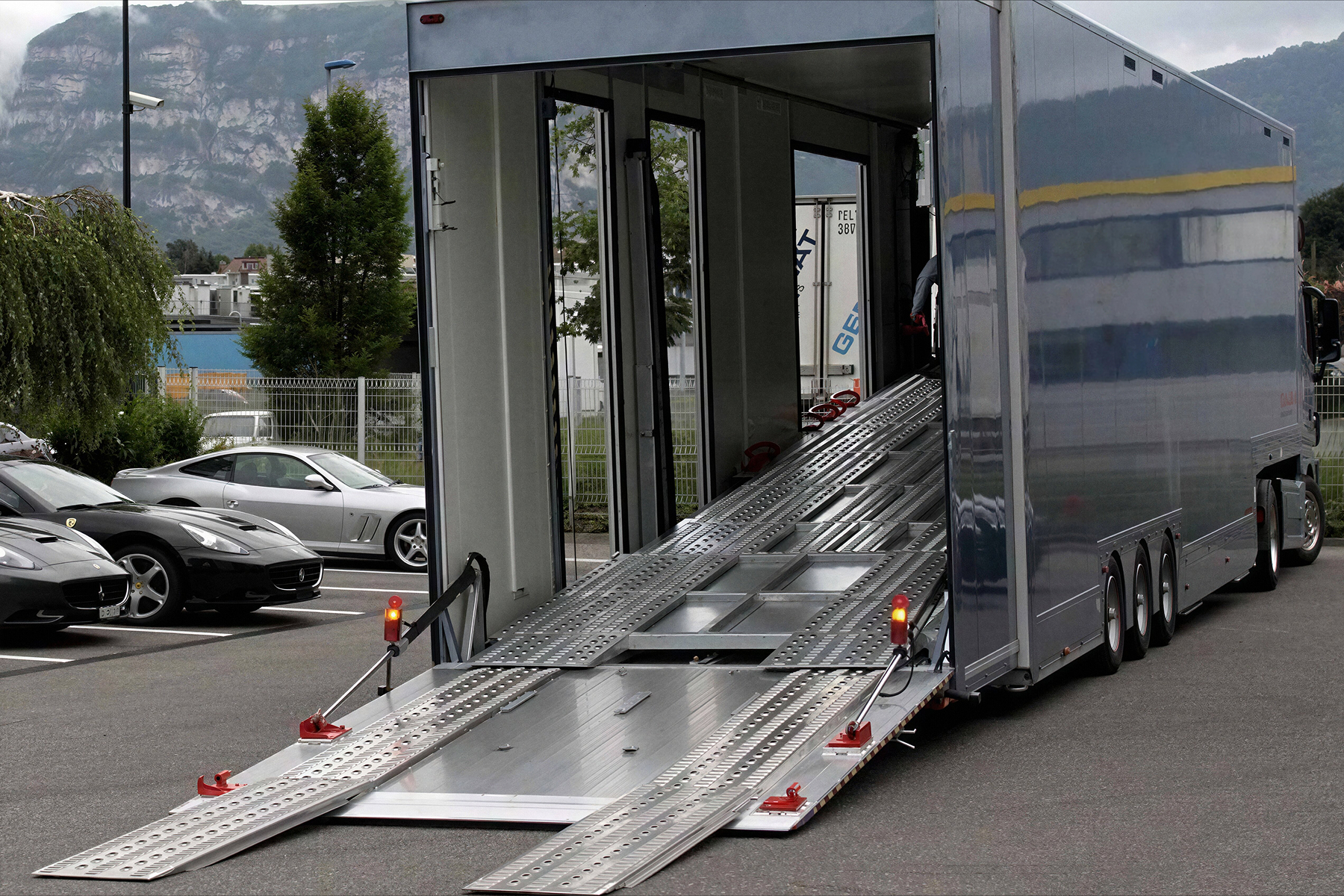
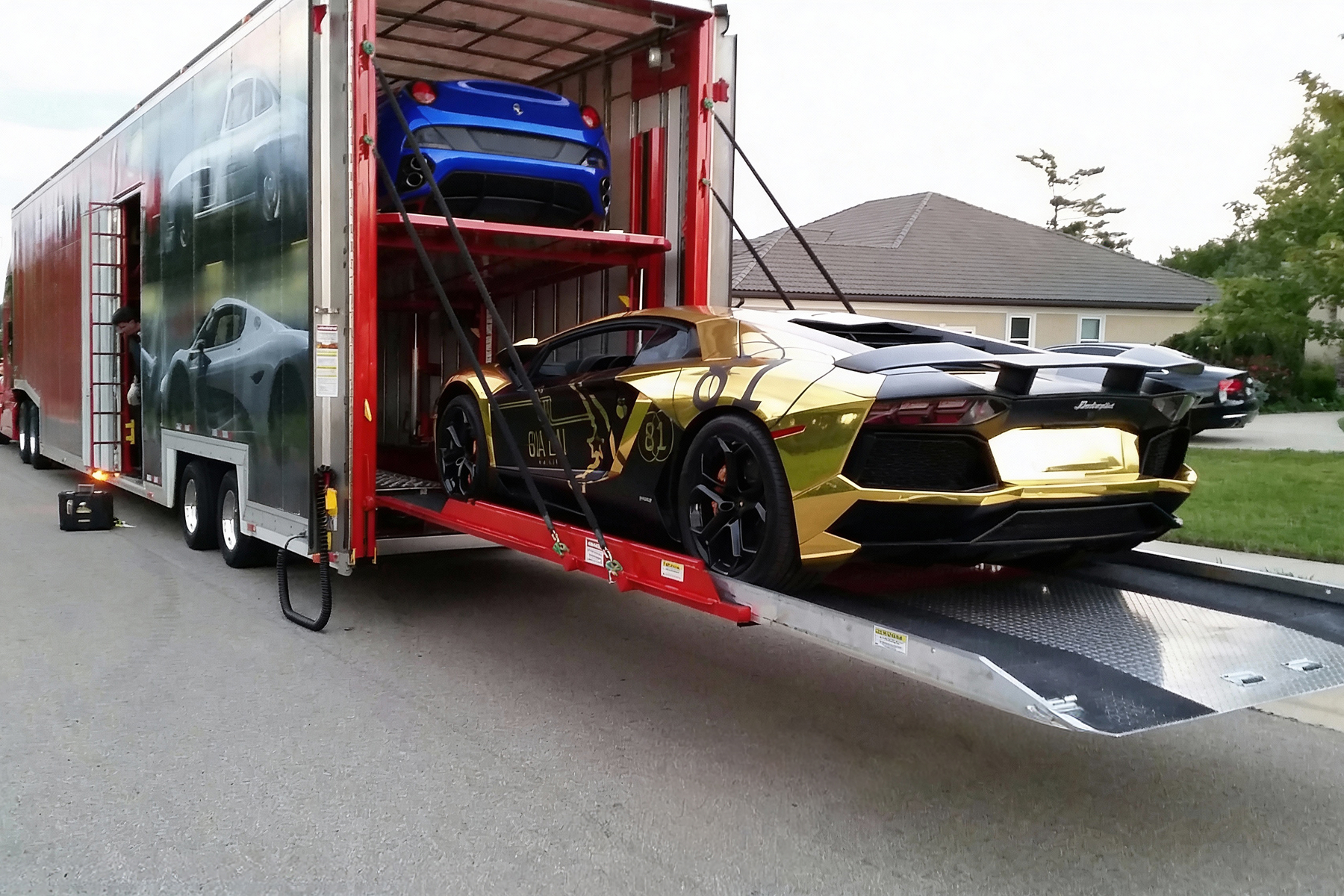
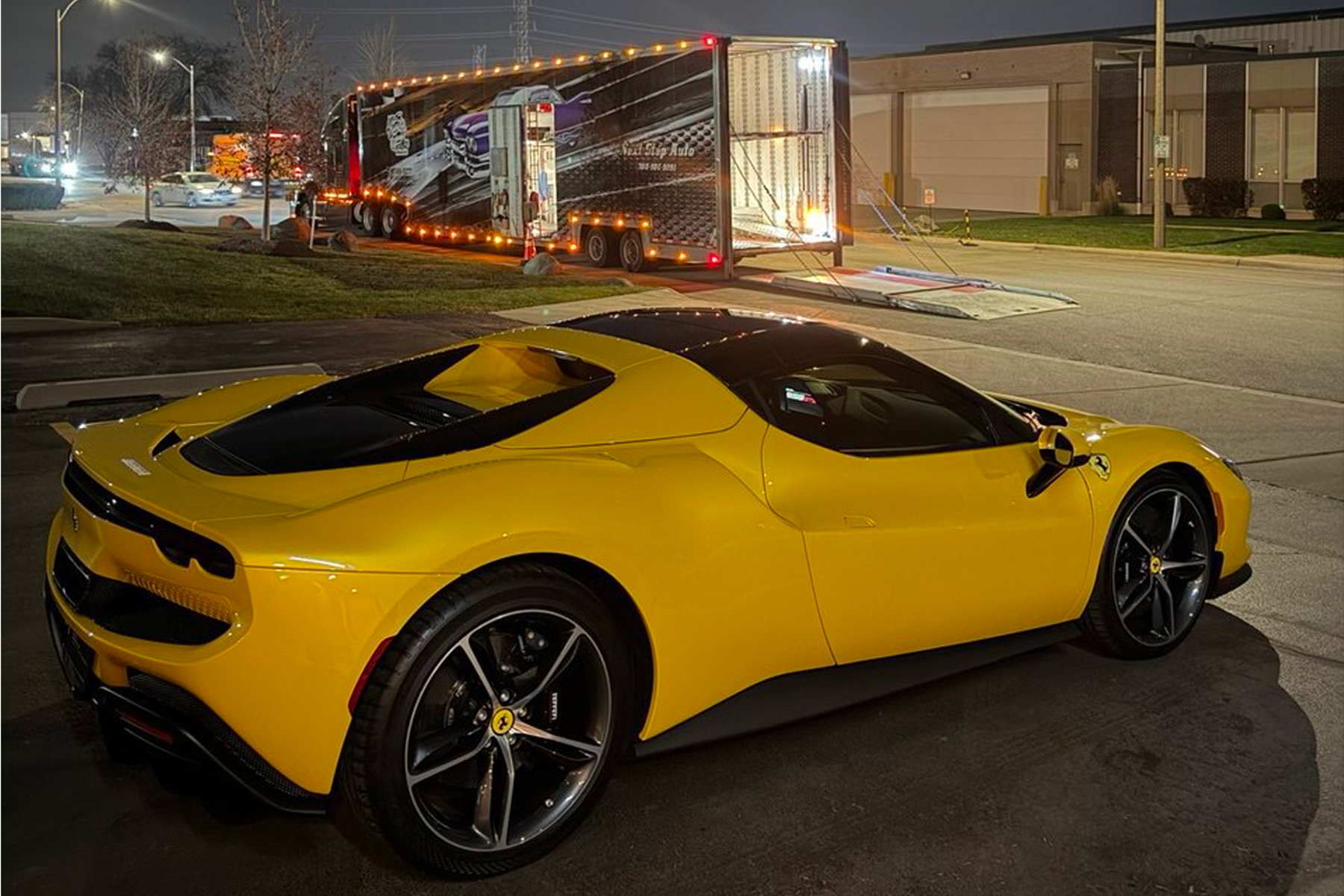
Enclosed trailers provide maximum protection, shielding the vehicle from weather, road debris, and potential theft.
Coverage limits are usually higher to accommodate luxury, classic, or high-value vehicles.
Example:
Policies often match the full value of the vehicle, ensuring comprehensive protection.
Document your vehicle’s condition with photos and a detailed inspection report.
If damage occurs, report it to the carrier and document it on the Bill of Lading upon delivery.
Inform the carrier of any specific concerns about your vehicle’s condition.