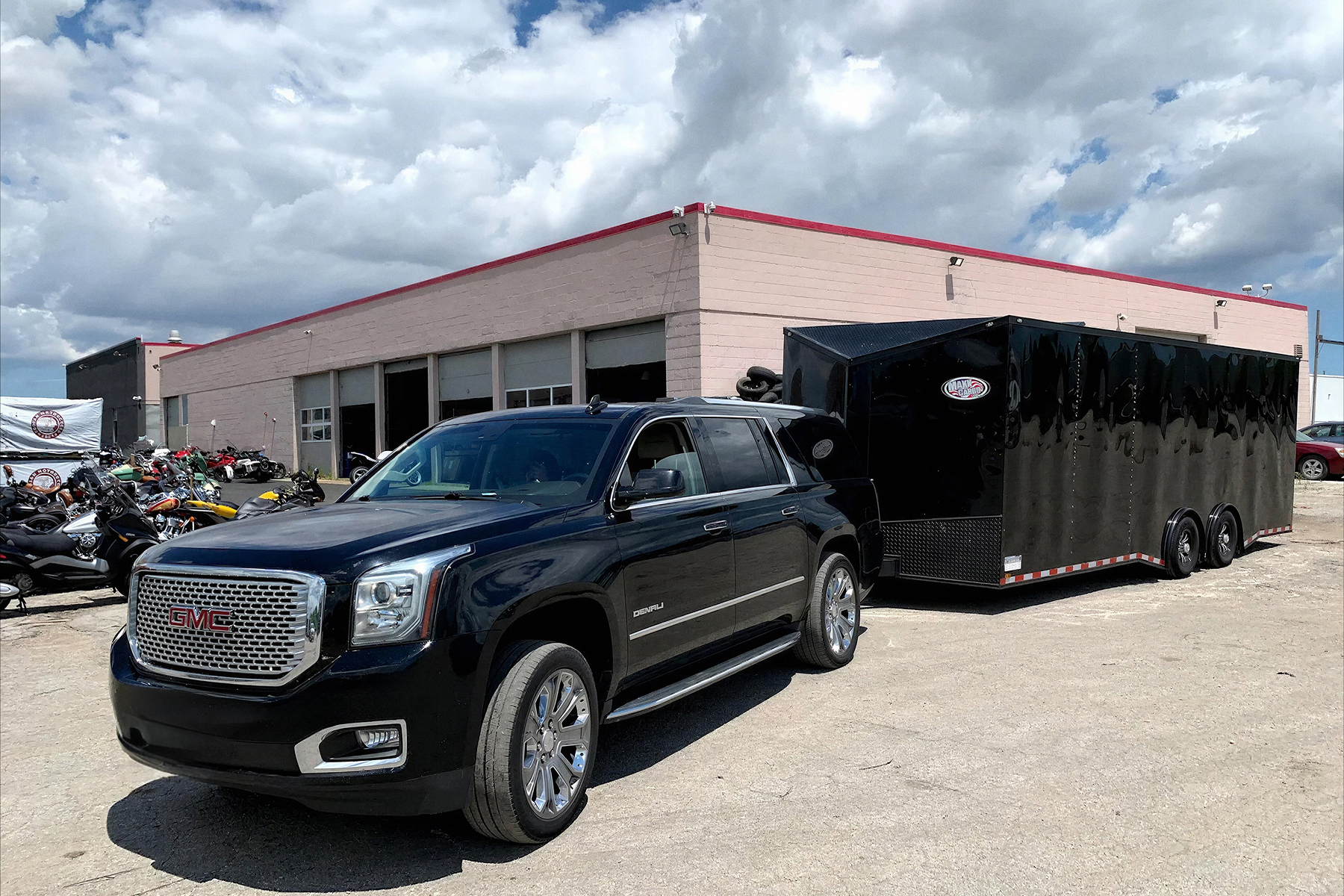


Shipping your vehicle with an auto transport company can be a smooth and stress-free process if you take the time to prepare your car properly. Following these guidelines ensures your car is ready for transport, protects it from potential damage, and helps the process go as efficiently as possible.
Start by thoroughly cleaning the exterior of your vehicle. This step allows you and the driver to:

Auto transport companies generally don’t allow personal items inside vehicles due to safety, weight restrictions, and lack of insurance coverage for belongings. To prepare:
Empty the car’s interior of all personal items, including GPS devices, chargers, and toll passes.
Avoid leaving valuables or anything that could shift and cause damage during transport.
Ensure your car is in good working condition before transport:
Make sure it is fully charged and securely mounted. For electric vehicles, ensure the battery is fully charged to allow for loading, unloading, and any necessary movement during transport.
Check oil, coolant, brake fluid, and other essential fluids for proper levels.
Ensure tires are properly inflated to avoid damage during transit.
Inspect for any leaks and address them before shipping. If your car leaks onto other vehicles on the trailer, you could be held responsible for any damage caused.
If your car is inoperable, inform the transport company in advance, as special equipment may be needed for loading and unloading.
Retract or remove, if possible.
Remove or secure to prevent damage.
Remove detachable roof racks, bike racks, or luggage carriers.
Transporting your car with a nearly empty gas tank is both safer and lighter. Aim to keep your fuel level at about a quarter tank. This is enough for loading and unloading while minimizing weight.
Confirm that the transporter can access your pick-up and drop-off locations. Narrow streets or low-hanging trees may require meeting at a nearby parking lot.
Be present or designate someone to be available during the vehicle's handoff to inspect the car and sign paperwork.
If your car has unique features or quirks, let the transport company know.

A trick to starting the engine.
Specific instructions for handling non-standard parts or accessories.